Threat Intelligence
Threat Intelligence
Definition: Analysis of data/information using tools/techniques to identify patterns and mitigate risks from existing/emerging threats targeting organizations, industries, or governments.
Classifications of Threat Intelligence
Strategic Intel:
High-level overview of threat landscape.
Maps risks based on trends/patterns for business decisions.
Technical Intel:
Examines attack evidence/artifacts (e.g., IOCs).
Used by Incident Response to analyze/develop defenses.
Focus of this room: IOC-based Threat Intelligence.
Tactical Intel:
Assesses adversaries’ TTPs.
Strengthens security controls via real-time investigation.
Operational Intel:
Analyzes adversaries’ motives/intent.
Identifies critical assets (people, processes, tech) at risk.
Producers vs. Consumers
Do you build (produce) or use (consume) threat intelligence?
Producers
- Role: Gather, analyze, and share threat intelligence.
- Create reports, advisories for the cybersecurity community.
- Examples: Cybersecurity vendors, research labs, large organizations.
- Methods:
- Network monitoring (internal/external, e.g., honeypots).
- IOC collection from internal incidents.
- Requirements:
- Large data sets, ability to define normal behavior, analytical capacity.
- Output: Analyzed data attributed to threat actors, shared with others.
Consumers
- Role: Use threat intelligence from producers to enhance security.
- Uses:
- Vulnerability Identification: Leverage CVEs/advisories to find weaknesses.
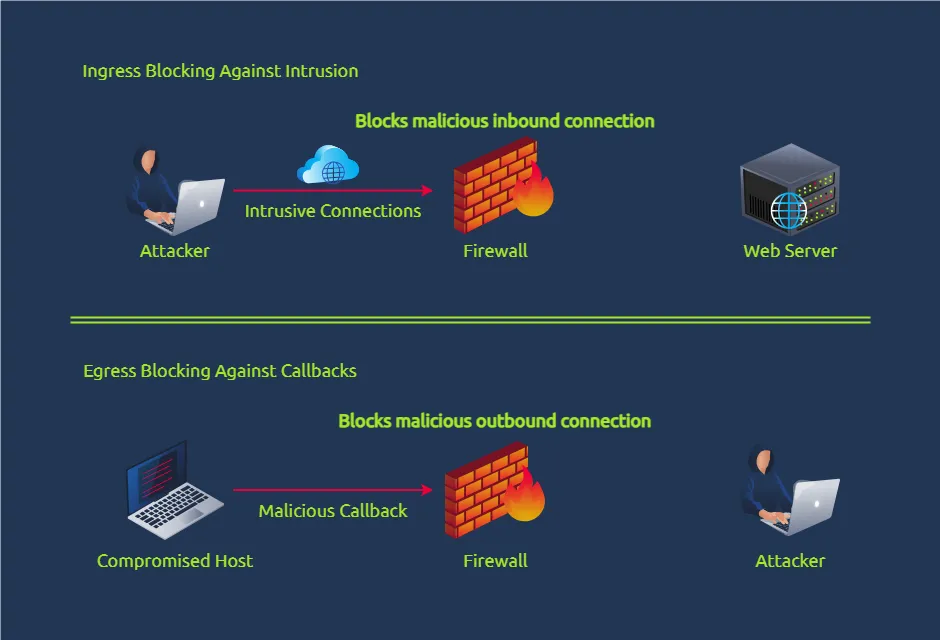
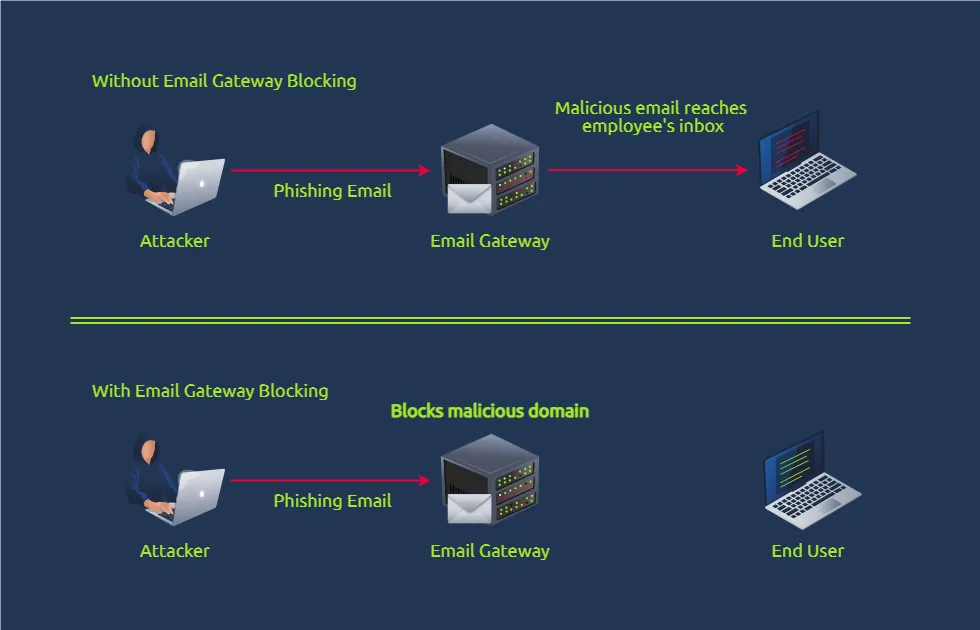
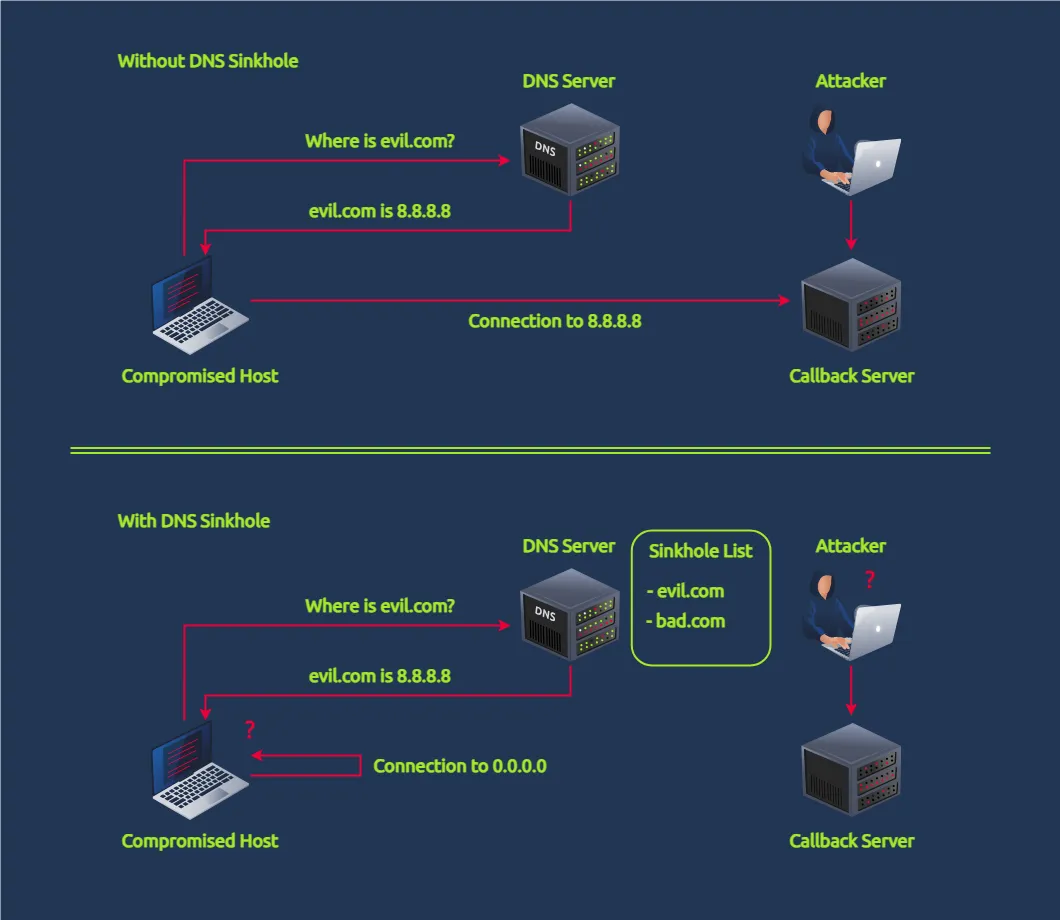
- Prevention/Detection: Block IOCs or create detection rules.
- Incident Response: Confirm attacks and TTPs for faster response.
- Collaboration: Share validated findings with others.
- Examples: Analysts applying external feeds to security operations.
Producer vs. Consumer Roles
| Role | Producer | Consumer |
|---|---|---|
| Activity | Collect/analyze data to produce actionable intelligence. | Monitor systems, use external intelligence to understand threats. |
| Output/Input | Create/distribute threat intelligence reports to peers, regulators, etc. | Use third-party feeds/reports to improve security posture. |
Assessment Framework
| Aspect | Producer | Consumer |
|---|---|---|
| Understanding | Evaluate quality (relevance, accuracy, timeliness) of produced intelligence. | Assess if intelligence enhances security posture effectively. |
| Collection | Evaluate ability to gather/analyze data from logs, endpoints, etc. | Evaluate ability to collect/consume external intelligence. |
| Analytics | Assess skills in detecting/analyzing threats and communicating findings. | Evaluate ability to process/analyze collected intelligence. |
| Application | Evaluate response capability based on produced intelligence. | Evaluate response to threats identified via intelligence. |